When considering body contouring, many people debate between CoolSculpting Fat Freezing and liposuction as the best way to eliminate stubborn fat. Both treatments aim to improve body shape, but they differ in approach, invasiveness, recovery time, and results. Understanding these differences is essential to choosing the option that aligns with your goals, lifestyle, and comfort level. This article breaks down the key aspects of both procedures to help you make an informed decision.
What Is CoolSculpting:
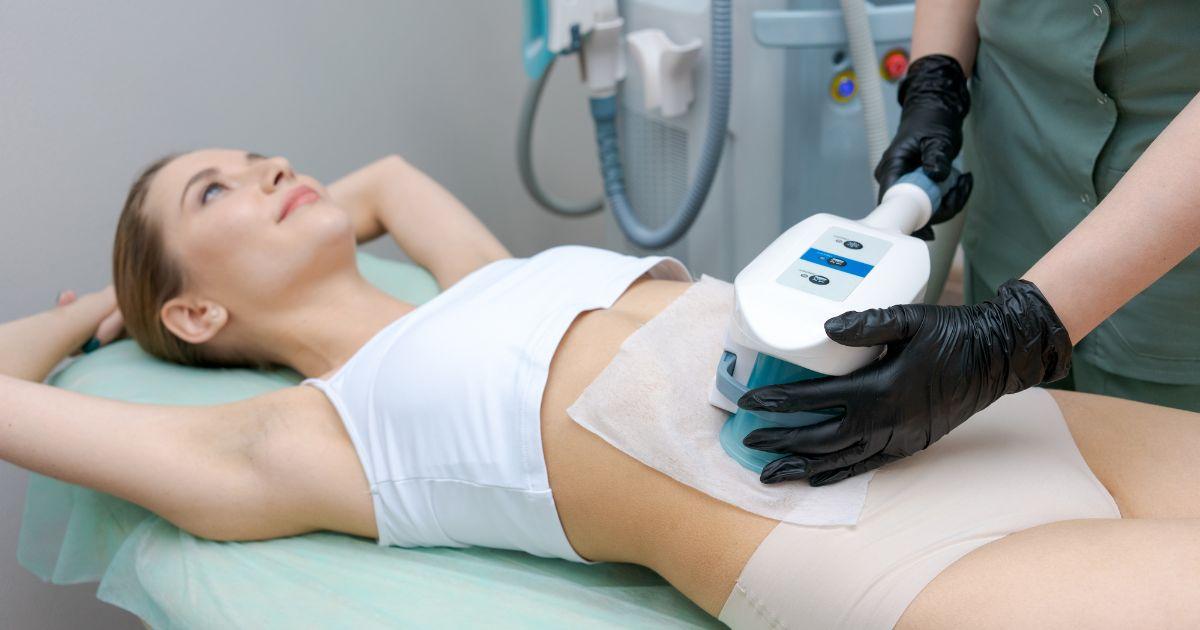
CoolSculpting is a non-surgical procedure that uses controlled cooling to freeze fat cells in targeted areas. Once crystallized, these fat cells undergo apoptosis (programmed cell death) and are naturally eliminated by the body over weeks to months. The treatment is ideal for localized fat pockets that resist diet and exercise. Benefits include:
-
Non-invasive, with no incisions
-
Minimal downtime, allowing a return to daily activities immediately
-
Gradual, natural-looking results
-
Targeted fat reduction in specific areas
CoolSculpting is best suited for individuals who are near their ideal weight but want to refine stubborn areas.
What Is Liposuction:
Liposuction is a surgical procedure that physically removes fat from the body through small incisions using a suction device. It can address larger volumes of fat and reshape multiple areas in a single session. Advantages of liposuction include:
-
Immediate fat removal and contouring
-
Can treat multiple areas simultaneously
-
Effective for both small and larger fat deposits
-
Provides more dramatic results in a shorter timeframe
As a surgical procedure, liposuction requires anesthesia, a recovery period, and potential post-operative care.
Invasiveness and Recovery:
The invasiveness of each procedure is a major consideration. CoolSculpting is non-invasive, meaning no cuts, stitches, or anesthesia are required. Patients typically experience mild redness, swelling, or numbness, resolving within days to weeks. Liposuction, on the other hand, is invasive and requires anesthesia. Recovery may involve:
-
Swelling and bruising
-
Compression garments for support
-
Several days to weeks off work or strenuous activity
-
Risk of complications such as infection or irregular contours
Recovery time is a critical factor for individuals with busy schedules or limited tolerance for downtime.
Speed of Results:
CoolSculpting delivers gradual results as the body naturally eliminates fat cells. Initial improvements may appear within three weeks, with full results taking two to three months, sometimes up to six months. Liposuction provides immediate fat removal, with swelling gradually subsiding to reveal final contours within weeks. Understanding these timelines helps patients choose the method that matches their expectations for visible change.
Risks and Safety Considerations:
Both procedures carry risks, though the type and severity differ. CoolSculpting side effects are usually mild and temporary, such as:
-
Redness
-
Swelling
-
Bruising
-
Tingling or numbness
Rare complications include paradoxical adipose hyperplasia, where fat cells enlarge rather than shrink. Liposuction carries surgical risks, including:
Choosing an experienced provider is essential for safety and optimal results for both options.
Longevity of Results:
Both CoolSculpting Fat Freezing and liposuction offer long-lasting results if a healthy lifestyle is maintained. Treated fat cells are permanently removed, but remaining cells can expand with weight gain. Maintaining a balanced diet, regular exercise, and stable weight ensures long-term benefits. Key points include:
-
CoolSculpting eliminates fat gradually in targeted areas
-
Liposuction provides immediate fat removal across treated regions
-
Weight gain can affect untreated areas, impacting overall contour
-
Lifestyle habits are critical for sustaining results
Understanding the permanence of results helps set realistic expectations.
Ideal Candidates:
Choosing the right procedure depends on individual goals and body composition. Ideal candidates for CoolSculpting include those who:
-
Are close to their desired weight
-
Have small to moderate localized fat deposits
-
Prefer non-surgical, low-risk options
-
Want minimal downtime
Ideal candidates for liposuction are those who:
-
Have larger volumes of fat to remove
-
Desire more dramatic, immediate contouring
-
Are healthy enough for surgery and anesthesia
-
Can commit to post-operative recovery
Proper consultation with a certified provider is essential to assess suitability and create a personalized treatment plan.
Cost Considerations:
Cost can vary significantly between the two procedures. CoolSculpting generally has lower upfront costs per session but may require multiple sessions for optimal results. Liposuction typically has higher initial costs due to surgery, anesthesia, and facility fees, but it often achieves comprehensive results in one procedure. Factors affecting cost include:
-
Number of areas treated
-
Number of sessions (CoolSculpting)
-
Anesthesia and surgical fees (liposuction)
-
Provider expertise and geographic location
Weighing cost against desired outcomes and recovery preferences is key in the decision-making process.
Complementary or Alternative Approaches:
Some patients combine lifestyle changes with either procedure to maximize results. CoolSculpting can complement exercise and diet by refining stubborn areas, while liposuction can serve as a more dramatic solution for patients who have struggled with persistent fat. Both treatments require ongoing commitment to healthy habits to prevent future fat accumulation.
Final Thoughts:
CoolSculpting Fat Freezing and liposuction are both effective options for fat reduction, but they cater to different needs. CoolSculpting is non-invasive, ideal for smaller, localized fat deposits, and involves minimal downtime, whereas liposuction is surgical, suitable for larger volumes, and delivers immediate results with a longer recovery period. Understanding the differences, risks, recovery, and costs helps individuals make informed choices that align with their goals, lifestyle, and expectations for body contouring.



 English
 Arabic
 French
 Spanish
 Portuguese
 Deutsch
 Turkish
 Dutch
Dutch
 Italiano
 Russian
 Portuguese (Brazil)
 Greek
Greek