


Chemical Peels for Sensitive Skin: Safe or Risky?
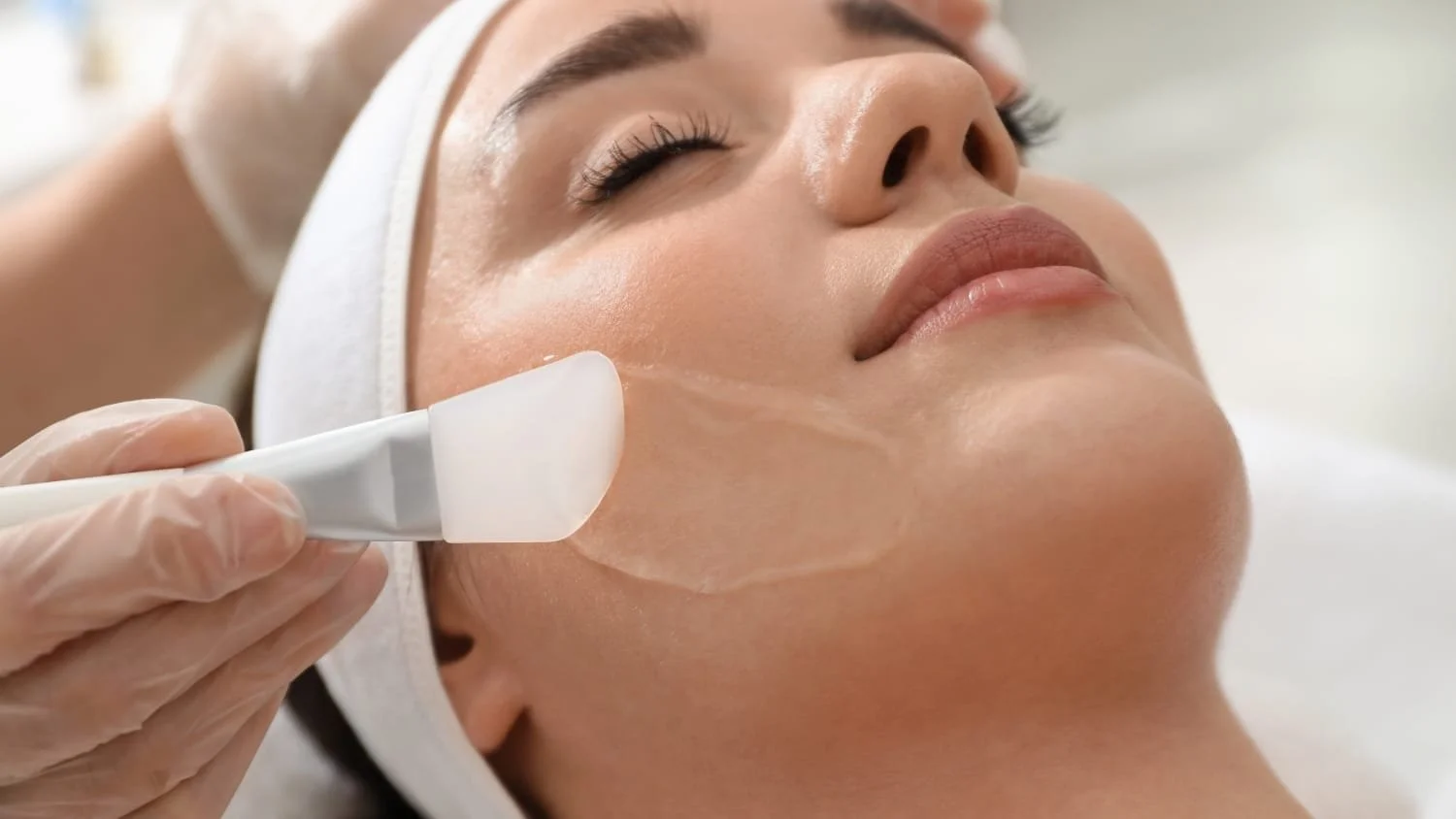
Sensitive skin requires extra care when it comes to cosmetic treatments, and chemical peels are no exception. For those in search of professional options, a Chemical Peel Riyadh can be carefully tailored to minimize irritation while still delivering skin-renewing benefits. Understanding the risks, safety measures, and appropriate approaches for sensitive skin is crucial before considering this popular exfoliation treatment.
What Is a Chemical Peel:
A chemical peel is a procedure in which a chemical solution is applied to the skin to remove damaged outer layers, stimulate cell turnover, and promote collagen production. The treatment can improve texture, reduce fine lines, fade pigmentation, and treat acne. For sensitive skin, the type and strength of the peel, along with professional supervision, play a critical role in determining safety and effectiveness.
How Chemical Peels Work:
Chemical peels function by exfoliating the skin and encouraging regeneration of new, healthy cells. The process:
-
Removes dead skin cells and unclogs pores
-
Reduces excess oil and impurities
-
Stimulates collagen and elastin production
-
Promotes smoother, more even skin tone
For individuals with sensitive skin, controlled application and milder formulations are essential to avoid irritation while still achieving noticeable results.
Types of Chemical Peels for Sensitive Skin:
Chemical peels vary in strength, making some better suited for sensitive skin:
-
Superficial Peels: Contain mild acids like glycolic, lactic, or mandelic acid; ideal for gentle exfoliation and minimal downtime.
-
Medium Peels: Utilize stronger acids such as trichloroacetic acid (TCA) at lower concentrations; can improve texture and pigmentation cautiously.
-
Deep Peels: Generally not recommended for sensitive skin due to high risk of irritation and extended recovery periods.
Choosing the right peel is essential to balance efficacy with skin safety.
Benefits for Sensitive Skin:
When administered correctly, chemical peels can still benefit sensitive skin without causing damage:
-
Smoother skin texture with reduced rough patches
-
Brighter, more radiant complexion
-
Fading of mild hyperpigmentation or sun spots
-
Reduced clogged pores and breakouts
-
Stimulated collagen for healthier, resilient skin
Professional guidance ensures these benefits are achieved safely, especially in climates like Riyadh where sun exposure can exacerbate sensitivity.
Risks for Sensitive Skin:
Sensitive skin is more prone to adverse reactions, making careful treatment necessary:
-
Redness, irritation, or stinging
-
Increased dryness or flaking
-
Temporary hyperpigmentation or uneven tone
-
Higher risk of allergic reactions to chemical solutions
-
Potential for compromised skin barrier if overused
Proper consultation with a licensed specialist is key to minimize these risks.
Preparing Sensitive Skin for a Peel:
Preparation can reduce the likelihood of irritation and maximize benefits:
-
Avoid sun exposure for at least two weeks prior
-
Discontinue harsh exfoliants or retinoids if advised
-
Maintain a gentle, hydrating skincare routine
-
Inform your provider about medications, allergies, or past reactions
Pre-treatment care ensures the skin is ready to handle chemical exfoliation safely.
What to Expect During the Procedure:
A chemical peel for sensitive skin is performed under controlled conditions by a trained professional:
-
Skin is cleansed and prepped carefully
-
The chemical solution is applied in precise, thin layers
-
Duration is closely monitored to prevent over-exposure
-
Solution is neutralized or removed as needed
Patients may experience mild tingling or warmth, which should subside quickly, and the procedure generally lasts 30–45 minutes for gentle peels.
Recovery and Aftercare:
Recovery is critical for sensitive skin to avoid prolonged irritation:
-
Apply broad-spectrum sunscreen daily
-
Avoid direct sun and heat exposure
-
Keep skin hydrated with gentle moisturizers
-
Allow any flaking or peeling to shed naturally
-
Avoid harsh products during healing
Superficial peels typically involve minimal downtime, whereas stronger peels require extended care and monitoring.
Frequency of Chemical Peels for Sensitive Skin:
For sensitive skin, frequency must balance treatment benefits with safety:
-
Superficial peels: every 4–6 weeks
-
Medium peels: spaced at least 2–3 months apart if tolerated
-
Deep peels: generally avoided
Following a professional plan ensures cumulative results without over-stripping or damaging delicate skin.
Choosing the Right Clinic:
Selecting a reputable clinic is crucial for safe chemical peel treatments on sensitive skin:
-
Licensed dermatologists or certified skincare specialists
-
Clean, professional, and well-equipped facilities
-
Positive patient reviews and visible results
-
Personalized consultations and customized treatment plans
For those seeking Chemical Peel Riyadh, a trusted clinic ensures safety, efficacy, and guidance tailored to sensitive skin needs.
Final Thoughts
Chemical peels can be safe and effective for sensitive skin when carefully selected, professionally administered, and accompanied by proper preparation and aftercare. Superficial peels are generally recommended, while medium or deep peels should be approached cautiously. Consulting a licensed professional, understanding the risks, and following a structured treatment plan ensures that sensitive skin can benefit from chemical exfoliation without undue irritation or damage.

 English
 French
 Spanish
 Portuguese
 Deutsch
 Turkish
 Dutch
Dutch
 Italiano
 Russian
 Romaian
 Portuguese (Brazil)
 Greek
Greek